The pearl of Africa is gazzeted with several national parks in different regions. Out of the ten parks in Uganda, western region has seven of them you can visit on a Uganda Safari.
The 5 must see national parks in western region include; Kibale Forest National Park, Queen Elizabeth National Park, Bwindi Impenetrable National Park, Lake Mburo National Park and Mgahinga Gorilla National Park.
The above national parks offer different tourism activities which describes Uganda as the pearl of Africa.
- Kibale Forest National Park.
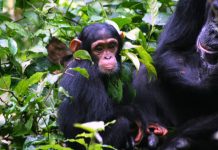
Kibale Forest National Park is located in western region of Uganda. The park stretches across four district boundaries that is to say Kabarole, Kamwenge, Kyenjojo, and Kasese. The primary administrative park headquarters (Kanyanchu) are situated in the Kabarole district. Kibale Forest National Park is widely celebrated as the “Primate Capital of the World”. This rainforest protects the highest density and diversity of primates on the African continent. The park is home to over 1,500 East African chimpanzees, offering a 99% success rate for tracking. The forest hosts 13 Primate Species and these include the Chimpanzees, endangered red colobus monkeys, L’Hoest’s monkeys, blue monkeys, grey-cheeked mangabeys, nocturnal bushbabies among others.
Getting there.
Getting to Kibale National Park, you can travel by road which is the most popular option or by air from Kampala or Entebbe. The primary entry hub for tourism activities is the Kanyanchu Visitor Center.
By Road, take the Kampala–Mityana–Mubende–Fort Portal Highway (Northern Route). This fully-tarmacked road is roughly 300 kilometers and takes 5 to 6 hours. From Fort Portal city, drive south for about 30 to 45 minutes to reach the park entrance. A 4×4 wheel drive vehicle is highly recommended while accessing the park.
By Air, there are no direct flights into the national park, you can book a domestic flight via regional carriers like Aero link Uganda from Entebbe International Airport to Kasese Airstrip which takes roughly 1 hour. Then from Kasese airstrip, you will need to arrange a private vehicle transfer or a taxi to drive the remaining 2 hours to the park.
What to see in Kibale Forest National Park.
Kibale National Park, quoted as the Primate Capital of the world, is famous for its massive population of habituated chimpanzees with over 1500 East African Chimpanzees leading to a 99% tracking rate.
It’s a premier birding paradise with over 370 bird species in the tropical rainforest including the Red-faced Woodland Warbler, Blue-headed Sunbird, Great-blue Turaco, Nahan’s Francolin, African Pitta, Black Bee-eater, the Crowned Eagle among others.
Look out for the remaining 12 primate species in the forest and these include; red colobus, L’Hoest’s monkey, grey-cheeked mangabey, blue monkeys, and black-and-white colobus monkeys as you trek in the forest.
What to do in Kibale Forest National Park.
Chimpanzee tracking offers an unforgettable primate experience, taking you deep into the rainforest to spend one magical hour observing the primates. The experience starts with the early morning briefing about the rules and regulations inside the forest at the Uganda Wildlife Authority (UWA) headquarters of Kanyanchu. The hiking takes 2 to 5 hours depending on where the primates are located, you are allowed exactly one hour to observe and photograph them while maintaining and following the rules and regulations given by the park guides and rangers. The forest can be steep, slippery, and physically demanding, so a reasonable level of fitness is highly recommended to chimpanzee trackers.
For a deeper experience, Chimpanzee habituation is better for trekkers in the forest. Here the experience can take the all day where by 3 to 6 hours can be spent looking for the location of chimpanzees, plus the exact 4 magical hours allowed to spend with the primates. This experience teaches the wild chimpanzees to get used to human presence without changing their natural behaviors. The experience also starts with the morning briefing about the rules and regulations inside the forest at the Uganda Wildlife Authority (UWA) headquarters of Kanyanchu.
It’s a premier birding paradise with over 370 bird species in the tropical rainforest including the Red-faced Woodland Warbler, Blue-headed Sunbird, Great-blue Turaco, Nahan’s Francolin, African Pitta, Black Bee-eater, the Crowned Eagle among others.
Rules to follow while tracking Chimpanzees in Kibale Forest National Park.
Before entering the forest for the tracking experience, visitors are given strict rules and guidelines at UWA headquarters of Kanyanchu to follow while enjoying their experience, regardless of being provided with park rangers and guides. Some of the rules and guidelines include the following;
- Maintain at least 10-meters distance in presence of Chimpanzees.
- Stay in groups of six to fewer people.
- Avoid tracking if sick (flu or cough).
- Manage restrict viewing to one hour for chimpanzee tracking and four hours for chimpanzee habituation.
- Wear a face mask immediately in the presence of the primates to prevent passing on airborne germs.
- No spitting in the forest as it can spread bacteria diseases to the primates.
- Do not eat, drink, or smoke near the chimpanzees. This prevents them from being tempted to grab your food and avoids potential disease transmission.
- Keep voices low or maintain total silence while near the chimpanzees. Never mimic their vocalizations, as this can confuse them.
- Do not attempt to touch or chase the chimpanzees. Give the primates their freedom to move through their natural habitat undisturbed.
- No flash photography while tacking pictures of the primates. Turn off your camera’s flash before entering the forest, as flash lights can scare the chimpanzees.
What to pack while tracking Chimpanzees in Kibale National Park.
Before setting off for Chimpanzee tracking experience in Kibale Forest National Park, visitors are encouraged to go ready with long-sleeved shirts, trousers, thick socks, waterproof hiking boots, garden gloves, a lightweight rain jacket, and high-quality insect repellent.
Don’t forget a waterproof daypack for your camera, packed lunch, at least 2 liters of water, and face masks.
Best times to track Chimpanzees in Kibale Forest National Park.
Chimpanzee tracking in Kibale National Park is better done in dry seasons from December to February and June to July, these months offer favorable hiking conditions, though tracking is open year-round. In these months, Chimpanzees are easily accessible without hindrance of mud or flooding.
Where to stay in Kibale Forest National Park?
Kibale National Park has a lot of accommodations used by Chimpanzee trackers. These accommodations ranges from luxury, mid-range and budget safari lodges.
Luxury safari lodges in Kibale National Park include; Ndali lodge, Primate lodge Kibale, Kyaninga lodge, Papaya Lake lodge, Chimpundu lodge, Crater Safari lodge among others.
Mid-range accommodations in Kibale National Park include; Isunga lodge, Kibale Forest Camp, Kibale safari lodge, Mountains of the moon hotel, Chimpanzee Forest guest house, Chimps Nest lodge and so many others.
Kibale Forest National Park is also gathered with low budget lodges and these include; Crater Valley Kibale Lakeside Resort, Tinka’s Homestead, Mwamba Kelele lodge among others.
Fees and bookings in Kibale National Park.
Visiting Kibale National Park for chimpanzee tracking, it requires activity permits which include a combination of standard park entrance fees and vehicle costs. During December to February and June to July, these months are referred to as peak seasons, therefore you should earlier book permits several months in advance via the Uganda Wildlife Authority (UWA).
These permits include your daily park entry fees and they include the following;
Chimpanzee Tracking permits (1 hour with chimps)
- Foreign Non-Residents: $250 per person.
- Foreign Residents: $200 per person.
- East African Citizens: UGX 180,000 per person.
Chimpanzee Habituation permits (Four hours with Chimps)
- Foreign Non-Residents: $300 per person.
- Foreign Residents: $250 per person.
- East African Citizens: UGX 250,000 per person.
Standard Park Entrance Fees
These are paid if you are engaging in other park activities like guided forest walks or birding rather than chimpanzee tracking.
- Adults: $40 (Foreign Non-Residents) / $30 (Foreign Residents) / UGX 20,000 (East African Citizens).
- Children: $20 (Foreign Non-Residents) / $10 (Foreign Residents) / UGX 5,000 (East African Citizens).
- Lake Mburo National Park.
Lake Mburo National Park is Uganda’s smallest savanna national park, located in the western region of Uganda in Kiruhura District. Famous for its rich acacia woodlands and five interconnected lakes, it is the only park in the country where you can see the impalas and elands. Home to over 5,000 Burchell’s zebras, along with large herds of buffaloes, leopards, giraffes, hippos and crocodiles. Elephants and lions are notably absent, making it much safer for exploration
How to get to Lake Mburo National Park.
Lake Mburo National Park is located about 228 to 245 km from Kampala and can be accessed by both road and air transport. By road the journey takes roughly 4- 5 hours’ drive. The most common and direct route is by private 4×4 vehicle or hired car, heading west along the Kampala-Masaka-Mbarara highway and turning off at Sanga or Nshara gate.
By air you can book a private charter flight with domestic operators such as Aero link Uganda or Fly Uganda from Entebbe International Airport or Kajjansi Airstrip. You will land at the Mbarara Airstrip, which is a 1-hour drive to the park entrance.
What to see in Lake Mburo National Park.
Lake Mburo National Park hosts many unique tourism attractions for tourists in Uganda. The top tourism attraction inside the park is the abundant Wildlife found in the woodlands and savannas of the park. Look for the Eland (the world’s largest antelope), buffaloes, warthogs, and waterbucks, Giraffes among others inside lake Mburo National Park.
Explore the five interconnected lakes (Lake Mburo), take a boat cruise to see massive pods of hippos and the Nile crocodiles up close.
View the unique birds inside the park with over 350 bird species, look for the rare African Finfoot, the Shoebill stork, and various kingfishers along the lake shores.
What to do in Lake Mburo National Park.
In Lake Mburo National Park, there are interesting activities which cannot missed by tourists in Uganda. The number one activity is the Game drives in the park’s woodlands and savannas, which enables visitors to enjoy the abundant Wildlife in the park. Look for the Eland (the world’s largest antelope), buffaloes, warthogs, and waterbucks, Giraffes among others inside lake Mburo National Park through the game drives.
Boat cruises along Lake Mburo where you can enjoy aquatic life. Take a boat cruise to see massive pods of hippos and the Nile crocodiles up close. During the dry seasons, animals are attracted to the water, so you may see buffaloes, waterbucks and giraffes taking a drink while on the boat cruise.
Lake Mburo National Park is a birdwatching paradise where it hosts over 350 bird species. Look out for the African finfoot, the rare shoebill stork, and various kingfishers along the water and in the Rubanga Forest.
Apart from the above activities, Lake Mburo National Park has other unique adventures carried out inside the park and they include; Guided Walking Safaris: Unlike larger savanna parks, you can explore the park on foot alongside an armed Uganda Wildlife Authority (UWA) guide.
Horseback Riding: View zebras and antelopes in the park on the back of the horse.
Best time to visit Lake Mburo National Park.
The best time to visit Lake Mburo National Park is during the dry seasons from June to August and December to February. During these months, water tends to be very scarce leading animals to congregate around water sources like Lake Mburo, making wildlife viewing much easier.
Accommodation in Lake Mburo National Park.
Lake Mburo National Park offers guests a wide range of accommodation options ranging from luxury, mid-range and low budget safari lodges and hotels.
Luxury lodges include; Kigambira safari lodge, Mihingo lodge, Kigarama wilderness lodge among others.
Mid- range accommodations include; Rwakobo Rock lodge, Arcadia cottages, Lake Mburo safari lodge and so many others.
Low budget accommodations also include the following; Leopard Rest Camp, Rwonyo Rest Camp, Eagle’s nest among others.
Fees and Bookings
Visiting Lake Mburo National Park requires a valid entry fee paid per 24 hours. As of the current tariff, Foreign Non-Residents pay $40, Foreign Residents pay $30, and East African Citizens pay 20,000 UGX. Booking accommodations and activities can be done directly through the Uganda Wildlife Authority or licensed tour operators.
- Queen Elizabeth National Park.
Queen Elizabeth National Park is located in the western region of Uganda in Kasese district. It is the second largest conservation area in Ugandan National Parks. It is also known as the most popular and famous tourism destination in Uganda. It is famous for the Kazinga Channel’s massive hippo populations, tree-climbing lions in the Ishasha sector, and over 600 bird species against the backdrop of the Rwenzori.
The park is a home to 95 mammal species, including elephants, buffaloes, leopards, chimpanzees, and the legendary tree-climbing lions in the remote Ishasha sector.
Getting there.
There are two different means of transport to access the park that is to say by road and by air transport. Southern Route (Kampala- Mbarara- Bushenyi): This route is about 420 km and passes through Mbarara which takes 6 to 7 hours and involves crossing the Equator. Northern Route (Kampa- Fort Portal- Kasese): This route is about 410 km which also takes roughly 6 to 7 hours. A 4×4 wheel drive car is highly recommended while accessing the park.
By air to the park, it is a one-hour drive from Kampala (Entebbe and Kajjansi air fields) to Kasese, Mweya air strips. Charter flights are operated by Aero link Uganda and Eagle Air departing from Entebbe International Airport or Kajjansi Airfield.
What to see in Queen Elizabeth National Park?
Queen Elizabeth National Park hosts many tourism attractions seen by tourists. The top attractions in the park include the following; The big four wild animals (Elephants, Buffaloes, Leopards and the tree-climbing lions in the Ishasha plains.) The Kazinga Channel which connects Lake George and lake Edward with its large populations of aquatic animals like Hippopotamuses, crocodiles among others.
Other tourism attractions in the park include; Birds with over 600 bird species against the backdrop of the Rwenzori, Chimpanzees in Kyambura Gorge inside Maramagambo forest which involves hiking down a steep 100-meter escarpment into an underground tropical forest. Cultural encounters in the park with the local community members of Banyaraguru enjoying their traditional lifestyle, cultural performances, music dance and drama.
Things to do in Queen Elizabeth National Park?
Queen Elizabeth National Park is famous and popular for its top tourism activities done inside. One of them is the interesting Game drives most commonly in the southern Ishasha sector with its tree-climbing lions, large herds of Buffaloes, Elephants, leopards, Giraffes among others.
Another activity is the Boat cruises along the Kazinga channel which connects Lake Goerge and lake Edward where visitors get a chance to view large populations of hippopotamuses, crocodiles among others. During the dry season, animals are attracted to the water, so you may see elephants, buffaloes, waterbucks and giraffes taking a drink while on the boat cruise.
Other activities in the park include; birding with over 600 bird species. Birding in Queen Elizabeth National Park is world-class. Home to over 600 bird species, the highest count of any protected area in East Africa. The park’s diverse habitats range from open savannah and wetlands to dense forests.
Chimpanzee tracking in the Kyambura Gorge inside the Maramagambo forest which involves hiking down a steep 100-meter escarpment into an underground tropical forest. Treks take 2 to 3 hours, offering a 1-hour viewing and observing of chimpanzees.
Cultural and community tours in the park with the local community members of Banyaraguru enjoying their traditional lifestyle, cultural performances, music dance and drama.
When to visit Queen Elizabeth National Park.
The best time to visit Queen Elizabeth National Park is during the dry seasons from January to February and June to September. These months offer the best weather for game viewing and chimpanzee trekking, as vegetation is thinner and animals congregate around water sources.
Where to stay Queen Elizabeth National Park.
Queen Elizabeth National Park is decorated with many various accommodations that is to say hotels and safari lodges. These are categorized in three different categories and these include; luxury, mid-range and budget.
Luxury lodges in the park include; Elephant plains lodge, Ishasha wilderness camp, Kyambura Gorge lodge and so many others.
Mid-range accommodations include; Engagi game lodge, Ishasha jungle lodge, Queen Elizabeth Bush lodge, Kingfisher lodge among others.
Budget accommodations include; Tembo safari lodge, Simba safari camp, Engiri game lodge and campsite, Kazinga channel view resort among others.
Fees and Bookings.
Visiting Queen Elizabeth National Park requires park entry fees of $40 per day for foreign non-residents ($20 for children), $30 for foreign residents, and UGX 20,000 for East African citizens. Permits for specific activities (like the Kazinga boat cruise or chimpanzee trekking) and vehicle entry fees are charged separately. Bookings are handled via the Uganda Wildlife Authority (UWA).
- Bwindi Impenetrable National Park.
Bwindi Impenetrable National Park is located in southwestern region of Uganda along the edge of the Albertine Rift Valley, Bwindi Impenetrable National Park crosses into four districts in southwestern Uganda: Kanungu, Rubanda, Kisoro, with a small section extending into Rukungiri. Bwindi Impenetrable National Park is very famous for the 25,000-year-old rainforest sheltering approximately 459 mountain gorillas roughly half of the world’s endangered mountain gorillas, this UNESCO World Heritage Site is a premier destination for unmatched wildlife, famed for its rare primates (Mountain Gorillas) and rich biodiversity. Local highlights feature mountain gorilla trekking, gorilla habituation and cultural experiences.
How to travel to Bwindi Impenetrable National Park.
The park can be accessed by two best alternatives that is to say by road and air transport.
By road, the park’s journey is about 520 Kilometers which is 8-10 hours’ drive from Kampala, Uganda’s capital city. Normally for one to enjoy the journey, 4×4 Wheel drive vehicles are recommended taking the below routes:
Move from Kampala- Kabale about 414 Kilometers, a 5-8 hours’ drive, then Kabale-Kanungu- Kanyantorogo up to the Buhoma Park Headquarters, about 120 kilometers, a 3.5 hour-drive.
Reaching Bwindi by air is a practical and time-efficient option for travelers planning to explore Uganda’s gorilla trekking destinations. With challenging road journeys, flights provide a more direct and comfortable way to access the region. Several domestic airlines from Entebbe and Kampala operate routes to airstrips near Bwindi (Kisoro and Kihihi airstrips).
What to see in Bwindi Impenetrable National Park.
The main tourism attraction in the park is the endangered mountain gorillas. This Impenetrable Forest hosts approximately 459 mountain gorillas roughly half of the world’s population. These are hosted by four sectors; Buhoma, Rushaga, Ruhija and Nkuringo.
Other attractions in the park include; cultural encounters enabled by the forest inhabitants (Batwa) pygmies with their forest life style.
Birds with over 350 bird species, including African Green Broadbill, Shelley’s Crimson wing, and Chapin’s Flycatcher found in swampy areas, water trails.
What to do in Bwindi Impenetrable National Park.
Gorilla trekking in Bwindi Impenetrable National Park offers an unforgettable chance to see endangered mountain gorillas in their natural habitat. The Trekking experience starts with the briefing about the endangered primates (gorillas) at the Uganda Wildlife Authority (UWA) headquarters of the park. The trekking duration ranges from 1 to 7 hours or more depending on where the gorillas nested the previous night. Once the family is located, you are allowed exactly one hour to observe and photograph them while maintaining and following the rules and regulations given by the park guides and rangers. Hikes can be steep, slippery, and physically demanding, so a reasonable level of fitness is highly recommended.
Gorilla habituation experience in Bwindi Impenetrable National Park is an immersive conservation activity where you join researchers and park rangers to spend 4 hours with a semi-habituated gorilla family. The experience begins early in the morning and can last anywhere from 2 to 6+ hours of trekking, followed by exactly 4 hours observing and interacting with the gorillas. This experience teaches wild gorillas to get used to human presence without changing their natural behaviors. This activity is exclusively available in the Rushaga and Nkuringo sectors in the southern part of the park. The habituation experience starts with the briefing about the endangered primates (gorillas) at the Uganda Wildlife Authority (UWA) headquarters of Rushaga and Nkuringo.
Culture and community tours in the park, enabled by the local Batwa (Pygmies) who are the forest inhabitants. Discover the Batwa life style in the forest, hunting skills, traditional dances, music and drama.
Bwindi is a premier birding paradise with over 350 bird species. These include; African Green Broadbill, Shelley’s Crimson wing, and Chapin’s Flycatcher. Key bird spots include Mubwindi swamp trail, Buhoma water trail among others.
Rules and regulations to follow while trekking gorillas in Bwindi.
Gorilla trekking rules are designed to protect both the endangered mountain gorillas from human diseases and to keep visitors safe in the wild. Before starting trekking the endangered primates, all visitors should report to the certain Uganda Wildlife Authority (UWA) headquarters in the park for the brief guidelines about gorilla trekking experiences. These essential guidelines include maintaining a 10 -meter distance, spending a maximum of one hour with the gorillas, and never trekking if you are suffering from a disease.
Strict obedience to these core rules is required while in the forest:
- Do not trek if you have a communicable disease like a cold, flu, or diarrhea. If you need to cough or sneeze, turn away and cover your mouth.
- Keep a minimum distance of 10 meters from the gorillas. Do not attempt to touch them, and remain in a tight group rather than surrounding the gorillas.
- Maintain the exact one hour for gorilla trekking and four hours for habituation to reduce stress on the gorilla family.
- Flash photography is strictly prohibited. Turn off your flash and camera sounds, and move your camera slowly.
- Eating, drinking, or smoking is strictly prohibited near the gorillas and often within 200 meters of their location.
- Keep your voices low throughout the trek, avoid body language and facial expression until you are at least 200 meters away from the gorillas after the encounter.
- Dumping of trash (littering) in the forest is highly prohibited.
What to pack while going for a gorilla trek in Bwindi.
For gorilla trekking, visitors are encouraged to pack long-sleeved shirts, trousers, thick socks, waterproof hiking boots, garden gloves, a lightweight rain jacket, and high-quality insect repellent.
Don’t forget a waterproof daypack for your camera, packed lunch, at least 2 liters of water, and face masks.
Where to trek Gorillas in Bwindi Impenetrable National Park.
Bwindi Impenetrable National Park has steep valleys and rugged terrain, divided into four distinct regions/sectors, each offering access to different gorilla families and these include; Buhoma, Ruhija, Rushaga and Nkuringo sectors.
- Buhoma sector: Located in the north which is the most established sector with a variety of luxury to budget lodges. The gorilla families found in Buhoma include; Mubare, Muyambi, Habinyanja, Rushegura and Katwe gorilla families which are locally named as M, H, R&K.
- Ruhija sector: Known for fantastic birding and views in eastern part of Bwindi. It also contains gorilla families and they include; Oruzogo, Kyaguriro, Bitukura and Mukiza gorilla families.
- Rushaga sector: Located in the south; features the highest number of habituated families and commonly known for great habituation experiences. Rushaga sector has got the highest number of mountain gorillas with 8 habituated families/groups namely; Busingye, Nshongi, Bweza, Mishaya, Kahungye, Mucunguzi, Bwigi and Bikyingi gorilla families.
- Nkuringo sector: Known for, challenging but rewarding hikes and clear views. The main gorilla families in Nkuringo are; Christmas, Bushaho and Nkuringo gorilla families.
Best times to trek gorillas in Bwindi Impenetrable National Park.
The best times to trek gorillas is during the dry seasons from June to August and December to February. These months offer the driest trails and clear views of the gorillas, making hiking significantly easier and more comfortable. In these months, gorillas are easily accessible without hindrance of mud or flooding.
Accommodations in Bwindi Impenetrable National Park.
The four sectors of Buhoma, Rushaga, Ruhija and Nkuringo are well accommodated with safari lodges for visitors in Bwindi Impenetrable National Park. These lodges are categorized in three different categories that is to say; Luxury, Mid-range and budget.
In Buhoma sector, Luxurious accommodations include; Sanctuary Gorilla Forest Camp, Buhoma lodge, Bwindi lodge, Mahogany Springs lodge among others.
Mid-range lodges in Buhoma include; Engagi lodge, Silverback lodge, Lake Kitandara Bwindi Camp among others.
Low budget accommodation in Buhoma include; Buhoma Community Rest Camp, Ride 4 a Woman Guesthouse, Bwindi View Bandas, Bwindi Neck view Lodge and so many others.
In Rushaga sector, there is Gorilla safari lodge, Gorilla leisure lodge, Chameleon Hill lodge among others as luxurious lodges for visitors.
Mid-range accommodations in Rushaga include; Rushaga Gorilla Camp, Ichumbi Gorilla Lodge, Gorilla Valley Lodge, Mutanda Lake Resort among others.
Several excellent low-budget lodges serve the Rushaga sector of Bwindi Impenetrable National Park and they include; Rushaga Gorilla Havens Lodge, Nshongi Camp, Bwindi Backpackers lodge among others.
In Ruhija sector, you will find luxurious accommodations and these include; Ruhija Gorilla Safari Lodge, Kiho Gorilla Safari Lodge, Bakiga Lodge among others.
Some of the mid-range accommodations in Ruhija sector include; Ruhija Gorilla Safari Camp, Trekkers Tavern cottages.
Several budget lodges are found in Ruhija sector and these include; Broadbill Forest Camp, Gorilla Friends Resort, Ruhija community Rest Camp, Gift of Nature lodge and so many others.
Nkuringo sector has luxury lodges like Clouds Mountain Gorilla Lodge, Nkuringo Bwindi Gorilla Lodge.
Some of the mid-range lodges in Nkuringo include; Bweza Gorilla lodge, Lake Mutanda resort among others.
Excellent, highly rated budget lodges in the Nkuringo sector include; Bwindi Backpackers Lodge, Mutanda Eco Community Centre, Nkuringo Community Rest Camp, Gorilla Closeup Lodge among others.
Fees and bookings in Bwindi Impenetrable National Park. Gorilla trekking permits in Bwindi Impenetrable National Park are booked via Uganda Wildlife Authority. If you are generally going for gorilla trekking or habituation, the permit includes park entrance and guide fees. Permits and bookings should be secured 3–6 months in advance via the Uganda Wildlife Authority. The park has peak seasons of gorilla trekking, peak trekking months are June to September and December to February (dry seasons) where permits frequently sell out during this time, therefore booking early is highly recommended.
Gorilla trekking Permits.
- $800 per person (Foreign Non-Residents).
- $700 per person (Foreign Residents).
- UGX 300,000 per person (East African Citizens).
Gorilla Habituation permits.
- $1,500 per person (Foreign Non-Residents).
- $1000 per person (Foreign Residents).
- UGX 750,000 per person (East African Citizens).
Standard Park Entrance Fees (Per 24 Hours).
If you are engaging in activities other than gorilla trekking, standard entrance fees apply:
- Foreign Non-Residents: $40 per adult | $20 per child.
- Foreign Residents: $30 per adult | $10 per child.
- East African Citizens: UGX 20,000 per adult | UGX 5,000 per child.
For other park activities, it is highly recommended to check on the online UWA tariff for accurate fees.
- Mgahinga Gorilla National Park.
Mgahinga Gorilla National Park is located in southwestern end of Uganda in Kisoro district hugging the border of Rwanda. The park borders Rwanda and the Democratic Republic of Congo, offering trekking for endangered mountain gorillas, golden monkeys, and the famous Batwa cultural trail. The park is a home to an estimated 80 mountain gorillas hosted by the Nyakagezi family. Mgahinga Gorilla National Park is also home to an estimated 200 to 400 golden monkeys representing a massive share of the 2,000 to 4,000 golden monkeys left in the entire Virunga Conservation Area. Two recorded groups are fully habituated for daily tracking within the bamboo forests of the park.
Getting there.
From Kampala- Kabale- Kisoro it is 510 kilometers and from Kisoro taking the southern direction it is about 14 kilometers. Roughly, international travelers can drive from Kigali (Rwanda), crossing the Cyanika border in just 3 to 4 hours to Mgahinga Gorilla National Park.
For fast and a quicker journey, you can fly from Entebbe international Airport to Kisoro Airstrip approximately one hour and 30 minutes.
What to see in Mgahinga Gorilla National Park.
The park is popular for its Mountain gorillas as the main attraction with over 80 individuals. All these are habituated and recorded in one family (Nyakagezi) and ready for daily trekking.
The park is also famous for its endangered golden Monkeys since it is the only tourism destination to track golden monkeys in Uganda. An estimated population of 200 to 400 golden monkeys are hosted by the park contributing a share to 2000 to 4000 population left in the entire Virunga conservation area. The park has two recorded groups which are fully habituated and ready for daily tracking.
Cultural encounters in the park is another tourism attraction supported by the Batwa (Pygmies) in the Bamboo forests. Visitors carry out village walks after gorilla and golden monkey tracking to explore the traditional and forest lifestyle of the Batwa local people.
Birds in the surrounding bamboo forests and the Gorge trail with over 180 species. The Rwenzori Turaco, Handsome Francolin, lake Kivu ground thrush are some of the top species found in the park.
What to do in Mgahinga Gorilla National Park.
The top activity in the park is the gorilla trekking experience in the only Nyakagezi habituated family with over 80 individuals. It always starts with the morning briefing at the park headquarters about the gorillas and the forest at large. Park rangers/guides will be provided to the trekkers to enforce rules and guidelines. Strict obedience to the core rules and guidelines is a must to the gorilla trekkers. The hiking will take around 2 to 3 hours while looking for the gorillas. Once they are located, you will be allowed to manage and spend the exact one hour observing the primates.
Golden monkey tracking in the park offers tourists to spend one hour in the forest observing the great endangered primates in their natural habitat. Mgahinga Gorilla National Park is the only place to track golden monkeys in Uganda. It hosts a population of 200 to 400 individuals with two recorded habituated groups ready for daily tracking. The experience starts with the morning briefing at the park headquarters of Ntebeko Visitors Center with rules and guidelines to follow while tracking the primates and strict obedience to the core rules is a must. Hikes will take 2 to 3 hours depending on where the primates nested, plus the exact one hour given to trackers to interact and observe the golden monkeys. For the deeper experience, the park offers the habituation experience of golden monkeys to visitors. Visitors are allowed to spend four hours to discover more about these endangered primates following the rules and guidelines given by park rangers/guidelines.
Cultural and community tours is also another activity in the park. These are normally done after the gorilla and golden monkey trekking experiences in evening hours and led by local Batwa guides. Explore traditional cultures and customs of the forest inhabitants (Batwa/Pygmies) with their survival skills, traditional hunting techniques, music, dance and drama.
Birding in Mgahinga Gorilla National Park is another experience done by tourists. The park hosts over 180 species, including 14 rare Albertine Rift endemics. Key trails to spot birds include the Gorge Trail, the bamboo belt, and the dry-stone wall boundary. Some species include the Rwenzori Turaco, Handsome Francolin, lake Kivu ground thrush and Scarlet-tufted Malachite Sunbird.
When is the best time to visit Mgahinga Gorilla National Park?
The best time to visit Mgahinga Gorilla National Park is during the dry seasons from June to September and December to February. These periods offer perfect weather conditions for gorilla trekking and hiking, as the forest trails are drier without mud and floods making gorillas, golden monkeys easily accessible.
Rules to follow while trekking gorillas.
- Do not trek if you have a communicable disease like a cold, flu, or diarrhea. If you need to cough or sneeze, turn away and cover your mouth.
- Maintain a minimum distance of 10 meters from the gorillas. Do not attempt to touch them, and remain in a tight group rather than surrounding the gorillas.
- Manage the exact one hour for gorilla trekking and four hours for habituation to reduce stress on the gorilla family.
- Flash photography is strictly prohibited. Turn off your flash and camera sounds, and move your camera slowly.
- Eating, drinking, or smoking in presence of gorillas is strictly prohibited.
- Silence in the forest is required and avoid body language and facial expression in presence of gorillas.
- No dumping of trash (littering) in the forest.
What to pack while going for gorilla and golden monkey trekking in Mgahinga Gorilla National Park.
Before setting off to the park, gorilla and golden monkey trekkers should go with long-sleeved shirts, trousers, thick socks, waterproof hiking boots, garden gloves, a lightweight rain jacket, and high-quality insect repellent.
In addition, don’t forget a waterproof daypack for your camera, packed lunch, at least 2 liters of water, and face masks.
Accommodation in Mgahinga Gorilla National Park.
The park is accommodated ranging from luxury, mid-range and budget safari lodges where tourists can stay while visiting the park. Some of them include; Mount Gahinga lodge, Clouds Mountain Gorilla lodge, Travelers Rest hotel, Lake Mulehe safari lodge, Amajambere lwacu community camp and so many others.
Fees and bookings.
Gorilla and golden monkey trekking permits in Mgahinga Gorilla National Park are booked via Uganda Wildlife Authority. If you are generally going for gorilla trekking, the permit includes park entrance and guide fees. Permits and bookings should be secured 3–6 months in advance via the Uganda Wildlife Authority. During the peak seasons (dry seasons) permits frequently sell out, therefore booking early is highly recommended.
Gorilla trekking Permits.
- $800 per person (Foreign Non-Residents).
- $700 per person (Foreign Residents).
- UGX 300,000 per person (East African Citizens).
Golden monkey trekking permits. (1 hour with monkeys).
- $60 (Foreign Non-Residents).
- $50 (Foreign Residents).
- UGX 40,000 (East African Citizens).
Golden Monkey Habituation Experience (4 hours with monkeys).
- $100 (Foreign Non-Residents).
- $80 (Foreign Residents).
- UGX 100,000 (East African Citizens).
Standard Park Entrance Fees (Per 24 Hours).
These apply if you are engaging in other activities other than gorilla trekking.
- Foreign Non-Residents: $40 per adult | $20 per child.
- Foreign Residents: $30 per adult | $10 per child.
- East African Citizens: UGX 20,000 per adult | UGX 5,000 per child.